Upgrade Your Home: Your Handyman's Guide to Impressive Kitchen and Bathroom Overhauls
Revamping a home, particularly kitchens and bathrooms, requires careful planning and well-considered choices. Homeowners often face decisions about materials, designs, and the choice between DIY approaches or professional assistance. Each component plays a crucial role in creating visually appealing and functional areas. Recognizing these considerations can lead to impressive transformations. What follows will delve into important strategies and recommendations that can greatly improve these areas of the home.
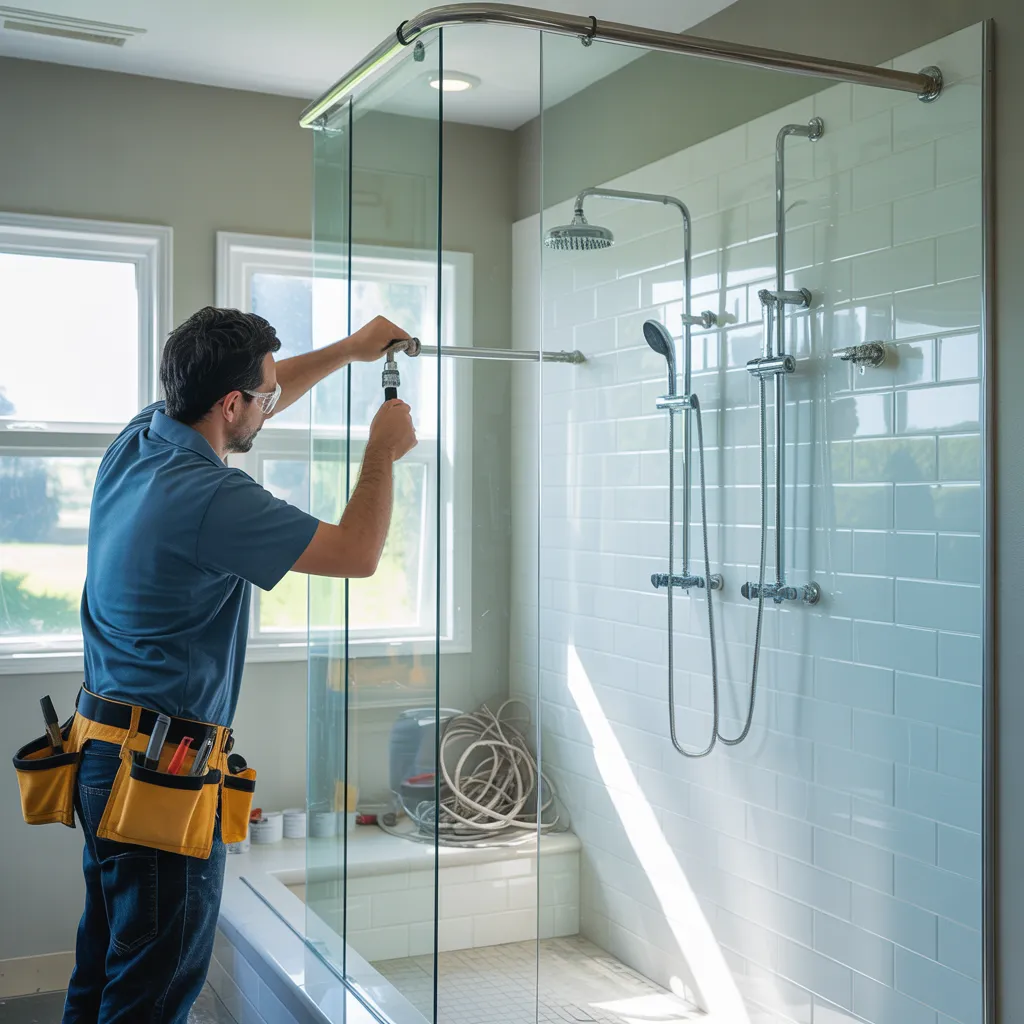
Must-Have Materials for Your Kitchen and Bathroom Remodel
A variety of essential components can considerably improve the success of a kitchen and bathroom remodel. High-quality cabinetry plays a significant role, offering both functionality and aesthetic appeal. Surface tops constructed with sturdy materials such as natural stone or quartz provide a useful yet elegant surface, standing up to daily wear and tear.
Furthermore, flooring materials like porcelain tiles or luxury vinyl planks can enhance the room while ensuring easy maintenance. Backsplash materials, from glass to decorative tiles, enhance aesthetics and guard walls against moisture damage. Fittings such as faucets and lighting fixtures, must be chosen with both design and durability in mind.
Regarding paint selection, high-quality, moisture-resistant options are crucial for kitchens and bathrooms alike. Finally, including environmentally friendly materials can boost sustainability. Through careful selection of these elements, homeowners are able to establish a harmonious and welcoming space that satisfies both practical and visual requirements.
How to Choose the Best Layout for Your Kitchen and Bathroom?
How can homeowners determine the ideal layout for their kitchen and bathroom? The journey starts by examining the space at hand and recognizing personal preferences. In kitchens, the "work triangle" principle—linking the sink, stove, and refrigerator—promotes efficient use of space. Homeowners are encouraged to factor in traffic flow and the strategic placement of islands or bar seating to maximize usability.
Within bathrooms, practicality is paramount. Homeowners ought to consider distinct areas, like sinks and shower areas, to serve multiple occupants. Strategic positioning of fixtures can maximize space, especially in more compact spaces.
Across both rooms, adequate natural light and proper ventilation must be considered, potentially affecting how windows are positioned and designed. Moreover, current design trends and personal style should be factored in to create a cohesive look. Through thoughtful evaluation of these factors, residents can identify floor plans that address not only their everyday needs but also enhance aesthetic appeal.
DIY vs Hiring a Professional
Deciding whether to approach home renovations as a DIY project or by enlisting professional help can greatly impact the outcome of a project. Homeowners must weigh their skills, time, and budget when making this decision. Taking on projects personally can be economical, enabling homeowners to reduce labor expenses while achieving a sense of accomplishment. However, they require a significant investment of time and may lead to mistakes that can be costly to fix.
By comparison, engaging professionals delivers a superior level of skill, productivity, and availability of specialized equipment. Skilled professionals are capable of managing demanding tasks, adhere to building codes, and provide warranties for their work. At the core, the selection relies on the homeowner's assurance in their personal competence and the difficulty of the remodeling project. With minor, uncomplicated tasks, a do-it-yourself approach may be adequate, while extensive renovations often benefit from professional intervention for best results.
Maximize Your Area: Intelligent Layout Tips
When looking to make the most of available space, strategic layout choices can greatly enhance a home's livability. By concentrating on smart storage options, promoting effortless flow and practicality, and introducing flexible multi-functional furniture, homeowners can create a more efficient environment. These smart layout tips not only enhance aesthetics but also improve daily life.
Enhance Storage Solutions
Making the most of storage space is essential for establishing an efficient and well-ordered living space. Within kitchen spaces, taking advantage of vertical space using shelves or cabinets fixed to walls can free up valuable counter areas. Adding sliding drawers or lazy Susans inside cabinets enhances accessibility and efficiency. For bathroom areas, shelving units above the toilet offer additional storage while preserving floor area. Opting for multifunctional furniture, such as ottomans with hidden compartments, helps cultivate a neater living environment. Furthermore, employing transparent containers and labels within closets assists in preserving organization and clarity. Through the thoughtful application of these storage strategies, homeowners can transform cluttered spaces into streamlined, efficient areas that enhance daily living. Thoughtful organization not only improves functionality but also elevates the overall aesthetic of the home.
Function and Flow
Developing an effective level of efficiency and flow within a space is essential for improving everyday living. In kitchen layout design, the work triangle—including the refrigerator, stove, and sink—should enable efficient movement, limiting unnecessary steps during meal preparation. In the same way, in bathrooms, careful placement of fixtures can simplify morning routines. Open-plan designs can promote a sense of spaciousness, while purposeful zones can increase practicality. For a practical example, incorporating islands in kitchens not only supplies additional counter space but also promotes social interaction. In bathrooms, consider the accessibility of storage and fixtures, confirming they correspond to user needs. Above all, prioritizing flow and functionality converts areas into practical environments, enhancing both comfort and efficiency in daily tasks.
Multifunctional Furniture Concepts
Although many tend to ignore the value of multipurpose furniture, it proves to be a transformative asset in managing limited spaces. This creative strategy empowers homeowners to maximize limited areas, particularly within kitchens and bathrooms where space is commonly scarce. To illustrate, a dining table that also functions as a work area can simplify daily tasks, while ottomans with hidden storage can maintain a tidy environment. Murphy beds transform guest rooms into functional spaces during the day, and wall-mounted shelves can act as stylish yet practical storage options. By integrating these flexible furnishings, individuals can build living areas that are not only visually appealing but also highly functional. Embracing multi-use furniture is a brilliant solution for improving functionality and comfort in any home makeover.
Easy Design Hacks to Refresh Your Kitchen and Bathroom
Refreshing a bathroom or kitchen can be realized through simple design techniques that make a remarkable impact. Applying fresh paint to cabinetry, replacing hardware, and integrating decorative backsplashes are reliable strategies to transform these essential spaces. These updates not only enhance visual appeal but also increase efficiency and everyday comfort.
Paint Cabinetry for Impact
Updating kitchens and bathrooms can be as effortless as transforming the cabinetry with a new coat of paint. This practical approach can remarkably shift the character of these spaces without costly renovations. Choosing the right color is essential; light colors can generate a spacious feeling, while vibrant colors add personality and drama. Surface preparation is fundamental—priming, cleaning, and sanding the areas guarantees maximum adhesion and a flawless finish. Using high-quality paint engineered for cabinet use boosts resilience and facilitates upkeep. Approaches including distressing and glazing can infuse personality, elevating the overall design. By directing attention to cabinetry, residents can accomplish a powerful visual upgrade, making their bathrooms and kitchens feel renewed and warm.
Update Hardware Elegantly
A few simple updates to hardware can transform the look of kitchens and bathrooms without a full renovation. Swapping out old drawer pulls and cabinet knobs for contemporary options can establish a renewed look. Opting for finishes including brushed nickel or matte black adds a contemporary touch, while antique brass can suggest timeless elegance. Moreover, replacing faucet handles can breathe new life into sinks, making them more functional and stylish. For a unified appearance, it is important to coordinate the hardware throughout all components, including cabinets and appliances. Integrating distinctive designs, such as artisan-crafted discover now pieces or geometric shapes, can further enhance character. Ultimately, such hardware improvements offer a practical means to enhance the beauty and functionality of any space.
Include Stylish Backsplashes
Even though a total kitchen or bathroom overhaul can seem daunting, incorporating stylish backsplashes offers a straightforward way to elevate the space. Backsplashes fulfill both practical and decorative roles, guarding walls against dampness while introducing eye-catching detail. Homeowners have the option to pick from numerous materials, including ceramic tiles, glass, and natural stone, enabling artistic customization. Colors, patterns, and textures may be mixed to customize the appearance, allowing for seamless coordination with current decor. For a quick update, peel-and-stick options are available, delivering a cost-effective and reversible choice. Additionally, using a bold design can create a focal point, drawing the eye and enhancing the overall ambiance. Through careful consideration, backsplashes can convert everyday spaces into elegant sanctuaries.

Care Tips to Keep Your New Space in Great Condition
To ensure that a newly transformed space continues to look appealing, regular maintenance is essential. In kitchen spaces, routine cleaning of countertops and appliances helps avoid the buildup of grease and residue. Applying gentle cleaning products preserves surfaces while preventing deterioration. Within bathroom areas, routine checking of grout lines and caulk helps avoid mold development and moisture damage; refreshing the caulk when necessary is recommended.
In addition, inspecting for leaks beneath sinks and around fixtures confirms that any problems are resolved quickly. Using strainers to keep drains free of debris serves to eliminate blockages and copyright drainage efficiency.
For both spaces, periodic comprehensive cleaning of cabinetry and shelving not only boosts their aesthetic but also increases their durability. Moreover, adopting a seasonal schedule for upkeep tasks can preserve the spaces in excellent condition. By adhering to these guidelines, homeowners can ensure their refreshed kitchens and bathrooms look as impressive as the moment they were done.
Questions We Are Often Asked
What Are the Newest Trends in Kitchen and Bathroom Design?
Emerging patterns in kitchen and bathroom design focus on smart technology, open spaces, natural materials, and sustainable solutions. Multifunctional layouts, bold colors, and minimalist fixtures simultaneously elevate visual appeal while enhancing functionality for today's homes.
What Are the Best Ways to Stay on Budget During My Renovation?
To keep costs under control during renovations, it is important to prioritize essential updates, establish a thorough plan, define a practical budget, record costs consistently, and explore DIY alternatives for minor tasks to reduce overall expenses efficiently.
What Permits Do I Need for Remodeling My Kitchen or Bathroom?
When renovating a kitchen or a bathroom, one typically needs building permits, plumbing permits, and electrical permits. Rules and requirements vary from one location to another, so checking local regulations and consulting with officials is essential before starting any project.
What Is the Average Duration of a Kitchen or Bathroom Makeover?
A common kitchen or bathroom makeover generally takes between four and eight weeks, depending on the scale of the renovation, materials selected, and contractor availability. Thorough planning and organization can help ensure a more seamless renovation experience.
How Should I Handle My Old Fixtures and Materials?
Old fixtures and materials can be repurposed, donated, or recycled. A variety of local charities take in usable items, while recycling centers manage materials including metals and plastics. Selecting environmentally friendly alternatives supports sustainability and minimizes landfill waste.